On October 11, 2011, as tributes to Steve Jobs poured in from around the world following his passing, Sim Wong Hoo, the chairman and CEO of Creative Technology Ltd., took out a $16,000 full-page ad in a Singapore newspaper to honor the Apple co-founder. The ad read:
“Thank you for the great lessons. Thank you for the great products. Thank you for bringing a bit of us to the whole world.”
Sim’s act raised eyebrows because, while he was a well-known figure in Singapore thanks to his Sound Blaster audio cards, which brought sound to over 400 million personal computers, he had also been in a contentious battle with Jobs over portable music players. In 2006, Sim sued Apple for patent infringement over the iPod, and negotiations with Jobs were tense. Sim recalled that Jobs did most of the talking, and he eventually secured a $100 million settlement, with Jobs acknowledging, “Creative is very fortunate to have been granted this early patent.”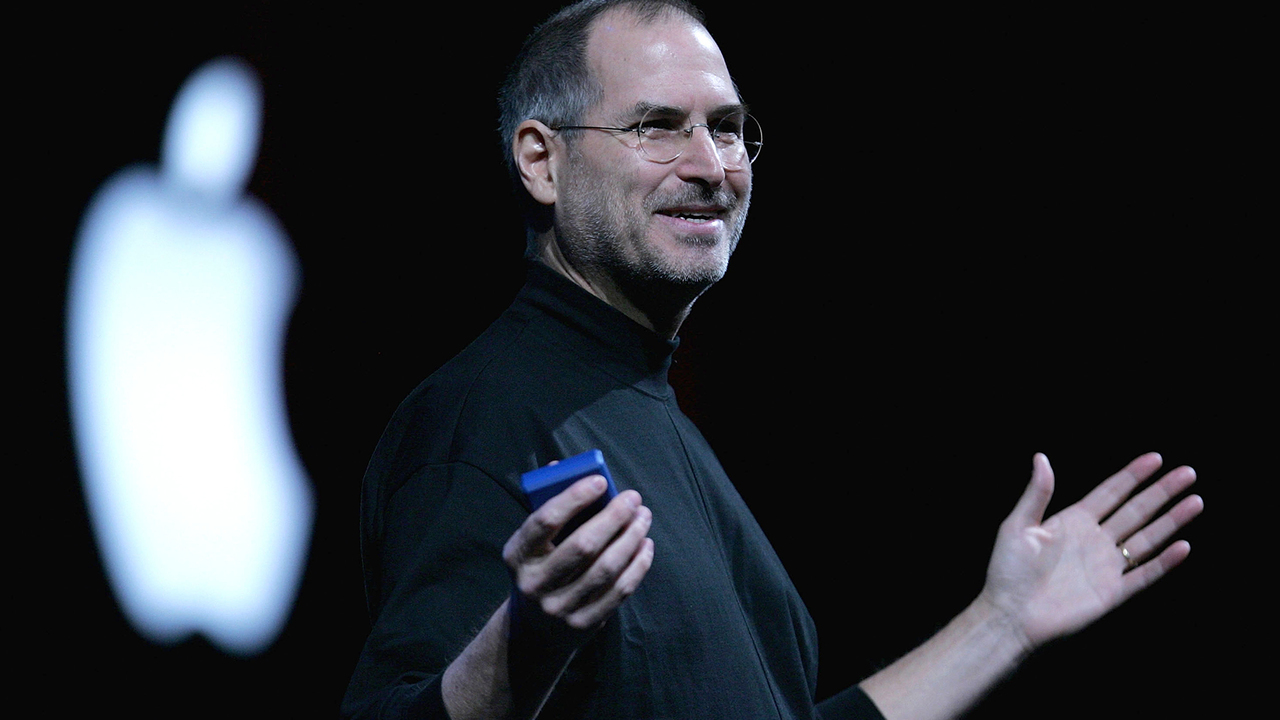 Since then, Apple and Creative Technology’s paths diverged dramatically. The iPod, which was part of Apple’s remarkable business turnaround, effectively ended Sim’s MP3 player, created in 1999, two years before the iPod’s release. As the iPod gained popularity, Creative’s fortunes declined, with its stock price plummeting from S$64 ($47) in 2000 to about S$1 by 2017. The company also delisted from the Nasdaq stock exchange in 2007.
However, after investing over $100 million and years of research, Sim is making a comeback with a new audio technology called Super X-Fi, which he believes could revolutionize the audio industry. This technology, available in headphones or as an amplifier, creates an immersive sound experience that mimics multiple speakers around the listener rather than the typical sound from just the headphones. Creative calls it “holographic audio.”
The Super X-Fi system tailors the listening experience by scanning the user’s face and ear shape through the Super X-Fi app. The data, which comes from studying how thousands of people perceive sound, is fed into an AI engine to predict how others will hear sounds. The SXFI AMP amplifier is priced at $150, while the SXFI AIR Bluetooth headphones retail at $160.
Sim, now 63, is ecstatic about his new technology, saying, “I have never been so excited in my life. I’m literally breathless, evangelizing what we have.” Creative’s stock saw a sevenfold increase from February 22 to March 5, spurred by the announcement that Super X-Fi won the Best of CES Award in 2018 and positive analyst reports. While the stock has since lost some of those gains, Creative’s market value has stabilized at around S$365 million, up from about S$80 million in 2017.
Justin Tang, head of Asian research at United First Partners, believes Super X-Fi could become “the next big thing” with potential licensing opportunities with phone manufacturers, gaming companies, and carmakers. Analyst Marc Tan from KGI Securities acknowledged the huge untapped market for 3D audio but noted that Sim faces competition from companies like Samsung’s Harman. Tan suggests that Creative must rapidly build a large user base to lead this space.
Sim aims to reach 50 million Super X-Fi customers within two years, including free users. Creative has already partnered with iVideoSmart, a video platform in Singapore with 75 million users, and is exploring further ways to monetize the technology, including working with OEMs to incorporate Super X-Fi into their products. “My goal is to have every headphone user enjoy Super X-Fi,” Sim said.
However, the impact of Super X-Fi on Creative’s revenue in the current quarter ending March 31 is not expected to be significant. The company also reported a widening net loss for the quarter ending December 31, rising from $4.2 million to $4.9 million. As a result, shares fell by 11 percent. Sim, born in Singapore in 1955 in the same year as Jobs, developed a love for music and technology early in life. After learning the harmonica at 10, he pursued electrical and electronics engineering, although he never earned a university degree. In 1981, Sim co-founded Creative Technology with his school friend Ng Kai Wa, initially offering computer classes, hardware repair, and software development, before focusing on multimedia computer systems. In 1989, Creative launched the Sound Blaster audio card, revolutionizing PC audio.
By 1992, Creative became the first Singaporean company to list on Nasdaq. By 2000, Sim was Singapore’s youngest billionaire. However, as integrated sound cards became standard in OEM PCs, Creative lost its dominance and struggled to compete with tech giants like Apple. Despite the challenges, Sim remained determined. “During the darkest period of Creative, I became enlightened. I decided that nothing is ever going to hurt me,” he said.
Now a bachelor, Sim advises young entrepreneurs to avoid distractions like marriage and mortgages in order to focus on building a business. “We rarely see entrepreneurs like Sim who have the tenacity and determination to stay with their ideas against all odds,” said Chua Kee Lock, managing partner at Vertex Ventures. “Can he pull off a comeback with Super X-Fi? He has a decent chance.”
A Steve Jobs Rival Who Hit Hard Times Makes Remarkable Comeback